LK Machinery LK Machinery LK Machinery LK Machinery LK Machinery LK Machinery LK Machinery LK Machinery LK Machinery

Product

Home / Product
Watch the video
About LK Machinery
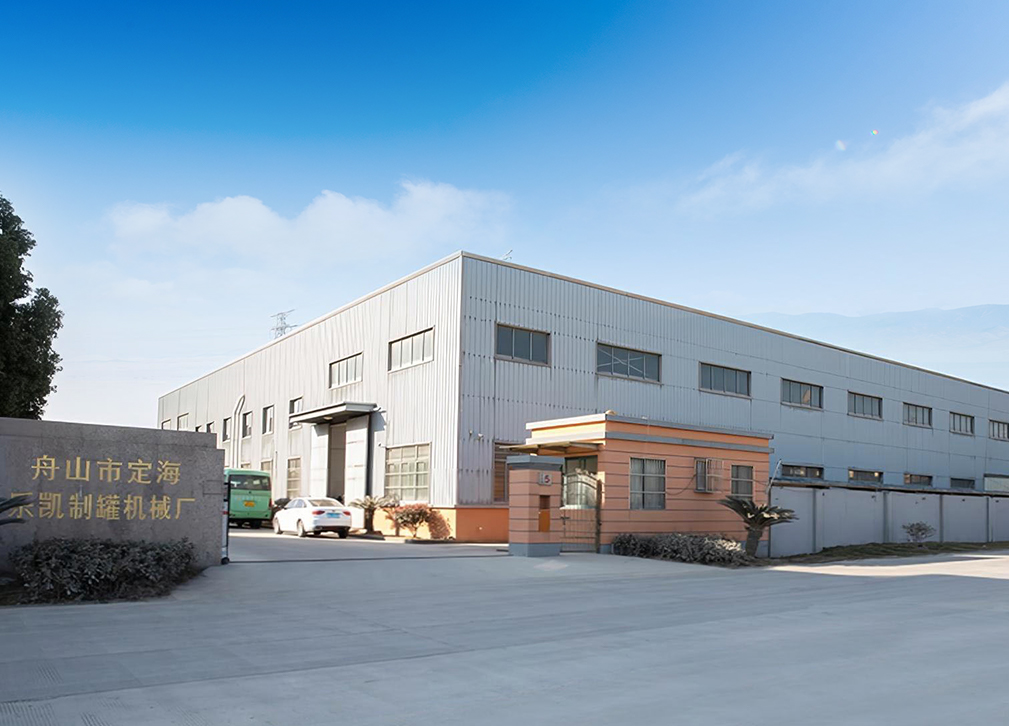
LK MACHINERY CO., LTD. is an enterprise integrating industry, trade and technology. We specialize in the production of metal packaging equipment and the design of forming machinery. LK MACHINERY attaches importance to product quality and customer feedback. Products are exported to Russia, UAE, Saudi Arabia, Morocco, Uzbekistan, Kazakhstan, India, Indonesia and other countries. We have received several government innovation awards and hold a national patent.
  • 0+

    Industry experience

  • 0+

    Plant area

  • 0+

    Company Equipment

See more
Certificate
News Updates
See more
  • 08. 25. 2023
    The Essence of Can Making: The Versatility and Precision of Automatic Can Making Machines

    In the manufacturing sector, automatic canning machines have become a model of precision and efficiency, transforming the canning process into a masterpiece of technological sophistication. This in-depth discussion focuses on the multifaceted flexibility and impeccable precision demonstrated by automatic canning machines, revealing their key role in shaping the canning manufacturing industry and simplifying the production process in various application areas.

    At the heart of the automatic canner lies its exceptional adaptability. These machines have the extraordinary ability to create jars of all sizes, shapes, and designs. From traditional cylindrical jars to uniquely contoured jars designed for specific products, automatic canning machines are flexibly adaptable to meet the dynamic needs of industries ranging from food and beverages to pharmaceuticals and chemicals.

    Precision is at the heart of automatic canning machines. These engineering masterpieces operate with precision, ensuring every step of canning production is completed. From the initial stages of cutting and shaping the raw materials, to the final steps of stitching and sealing, every detail is accurately presented. This not only guarantees consistency in the size of the jars, but also achieves a tight seal, thus maintaining the quality and freshness of the contents inside the jars.

    In automatic canning machines, efficiency is achieved. These technological masterpieces greatly reduce the need for human intervention, greatly reducing the risk of errors while increasing production speed. By efficiently handling tasks such as material delivery, welding, and labeling, these machines coordinate the entire canning process with exquisite skill, significantly improving overall productivity and resource utilization.

    In the manufacturing sector, consistency is crucial, and automatic canning machines perform well in this regard. No matter how many canned products are produced, these machines always maintain a stable standard of quality and accuracy. This reliability is crucial, especially in industries where product consistency is crucial, to ensure consumers receive products that meet high standards.

    Automatic canning machines are more than simple automated devices; they have an inherent adaptability. Thanks to advanced software and programmable control technology, these machines are able to adapt to changing production needs. Whether changing the size of the jars, innovating sealing techniques, or introducing new label-making processes, these machines are actively adopting innovative means to meet the dynamic needs posed by a growing industry.

    The use of automatic tin can machines improves the efficiency of labor and resource utilization. Reducing manual operations not only reduces the possibility of human error, but also optimizes the allocation of workforce skills. In addition, fine control of material use and tank size contributes to resource conservation, making the entire process consistent with sustainable development requirements.

    Automatic canning machines have improved hygiene and cleaning standards. Automated processes reduce the need for extensive manual handling of the cans during production, thereby reducing the risk of potential contamination. This aspect is particularly important in industries such as food and pharmaceuticals, where strict hygiene practices are essential requirements.


    View more
  • 08. 18. 2023
    How to preserve freshness: How can can sealers ensure food quality

    In the complex field of food preservation, the continuous advancement of science and technology has brought about many impressive innovations, which have become the guardians of maintaining the freshness and quality of food. Among them, can sealing machines occupy an extremely important position and are an important symbol of ensuring the integrity of food. This ingenious device redefines the way food is preserved and plays a key role in extending the shelf life of all types of food while maintaining their flavor, nutrition and safety.

    Essentially, this can sealer is a strong barrier against the elements of rot, meticulously performing a series of processes to create a tight-sealing seal for metal cans. This seal acts as an indestructible shield against the intrusion of oxygen, moisture, and contaminants that could potentially threaten food inside. Through this precise chemical reaction, the can sealer creates an impenetrable barrier that effectively prevents spoilage, deterioration, and the silent invasion of harmful microorganisms.

    The symphony of conservation work begins with the clever packing of edible ingredients into jars to be used. These nutrient-filled containers are then carefully filled to a specified height, with precision evident in every step. The synergy of pressure, heat and time comes into play when the can finds its place under the close watch of the sealing device. This harmonious interaction causes the lid to fuse with the body, creating a seamless union that ultimately creates a strong seal that holds the essence of the food intact.

    However, this can sealer is highly adaptable and can meet the complex needs of contemporary cuisine. Its flexibility to adapt to the size and shape of various cans allows this master mechanic to adapt to a wide range of products, whether it is a solo diner or a lively family gathering.

    At a time when the world is grappling with the urgent task of sustainable development, this can sealer has the responsibility it deserves in its noble mission to reduce food waste. Its role is not limited to preserving food, but also involves protecting the resources provided by the earth. By significantly extending the shelf life of edible items, it echoes the movement to reduce waste and strengthens people's awareness of rational consumption.

    Moreover, in an era of heightened vigilance over food safety, this can sealer has become a reassuring symbol. It participates in a meticulous “ballet” performance of quality control and alertness, ensuring that tightly sealed canned products meet strict standards of hygiene and purity. The closure of each can symbolizes not only freshness but also the bond of trust established between producers and consumers.

    In short, this can sealer becomes the guardian of the essence of food, the embodiment of taste, nutrition and safety. With unwavering perseverance, it has built a line of defense against the encroachments of time and the outside world, demonstrating its central position in the grand narrative of culinary preservation. As the culinary world continues to evolve, this can sealer remains steadfast, a witness to human wisdom, a guardian of quality, and a refreshing advocate for the taste buds.

    View more
  • 08. 10. 2023
    User precision flanging: Master the metal processing technology of hydraulic square ear flanging machine

    Let's embark on a journey into the world of precision metalworking and gain a deeper understanding of the transformative capabilities of hydraulic square ear flaring machines. This innovative device demonstrates the charm of precision engineering, brings many innovative advantages, and redefines the flaring process, efficiency and process level. Discover the world of hydraulic square ear flaring machines and appreciate their capabilities to elevate metalworking to a level of precision and sophistication.

    Precision: Hydraulic square ear bending machine is a work of precision. Its advanced mechanical structure and hydraulic control system ensure that the bending process can be completed with precision, resulting in consistent and.

    A new definition of efficiency: With the help of hydraulic square ear bending machines, efficiency has reached a whole new level. Its automation features and simple operating processes significantly reduce production time, allowing metalworkers to complete complex edge bending processes at extremely high speeds.

    Seamless Molding: These machines excel at creating shaped, square ears with seamless edges. The amount of liquid pressure applied during the stamping process ensures uniformity of the shape, eliminates imperfections, and thus produces a finished product.

    Multipurpose Application: The applicability of hydraulic square ear flanging machine is extremely wide. Its ability to adapt to a wide range of metals, thicknesses, and sizes enables it to create a wide variety of square ear flanging pieces for various industries and applications.

    Elevation of exquisite craftsmanship: With the help of hydraulic square ear piping machines, craftsmanship has been sublimated into an art form. Metalworkers are able to easily create intricate square ear designs that enhance the visual impact and functionality of the end product.

    Stable quality: The hydraulic square ear bending machine adopts precise drive technology, which can ensure consistent processing of multiple products, thereby ensuring product quality consistency. This stability is crucial for industries that have stringent requirements for the quality and reliability of metal components.

    Reduce material waste: By greatly reducing the error space and achieving precise processing, the hydraulic square ear flanging machine can reduce material loss. This economic advantage helps reduce costs and promotes sustainable metalworking practices.

    Ease of operation: These machines are designed with a user-friendly interface and intuitive control methods. Metalworkers are able to easily set parameters, monitor the bending process, and adjust it as needed, ensuring smooth and hassle-free operation.

    Enhanced safety: Hydraulic square ear bending machines often feature advanced safety measures such as an emergency stop button and a protective housing. These designs are designed to ensure the safety of operators and create a safe working environment.

    View more
  • 08. 03. 2023
    Automated packaging processes: advantages of pneumatic sealers

    Automating packaging processes has become an important strategy for companies seeking greater efficiency and productivity. In this context, pneumatic sealing machines have emerged as a valuable tool that offers many advantages over traditional manual sealing methods. Let's explore the benefits of pneumatic sealing machines and their importance in modern packaging operations.

    One of the main advantages of pneumatic sealers lies in their extremely high speed and efficiency. These machines use compressed air to drive the sealing device, which can quickly and stably seal the package. As a result, they are able to handle large quantities of packaging in a short time, significantly improving the production efficiency of packaging and significantly reducing the overall production time.

    In packaging operations, consistency and precision are crucial, and pneumatic sealing machines excel in this regard. Using compressed air as a power source ensures that each seal is evenly and tightly fixed. This consistency is particularly important for products that require airtight or tear-proof packaging, ensuring the quality and integrity of the packaged items.

    Versatility is another outstanding feature of pneumatic sealers. They are able to adapt to various packaging materials such as polyethylene, polypropylene and other packaging films. In addition, they can be adapted as needed to handle packages of different sizes and shapes, thereby meeting diverse packaging needs.

    The efficiency and cost-effectiveness of pneumatic sealing machines go hand in hand. By automating the sealing process, companies can reduce their reliance on labor, thereby saving labor costs and reducing the risk of human error. In addition, the stable and reliable sealing effect produced by these machines helps to reduce material waste and further optimize packaging resources.

    Pneumatic sealing machine has the characteristics of easy operation and low maintenance requirements. Once properly installed, these machines can be easily operated by trained personnel. In addition, its design is relatively simple with fewer components, which reduces wear and maintenance costs.

    In industrial environments, safety is a crucial consideration, and pneumatic sealing machines are designed with this in mind. These machines are equipped with safety features such as emergency stop buttons and safety interlocks to prevent accidents and injuries during operation. This emphasis on safety brings a sense of peace of mind to operators and ensures compliance with workplace safety standards.

    The use of pneumatic sealing machines helps to improve the quality and aesthetics of the package as a whole. The tight and uniform seal created by these machines enhances the visual appeal of packaged products and gives customers greater confidence in product quality.

    View more
  • 07. 28. 2023
    The Future of Metalworking: Exploring Diverse Applications of Embossing and Hemming (Embossing) Equipment

    The Future of Metalworking: Exploring the Versatility of Step Pressing and Bent Edge (Embossing) Machines
    Integration of automation and robotics: It is likely that more automation applications will emerge in the future of metalworking and that robotics will be incorporated into threading and edging machines. This convergence will lead to greater precision, greater efficiency and a reduced reliance on manual operations, thereby increasing production efficiency and reducing production costs.

    Smart Connected Machines: In the future, punching and stamping machines are likely to become more intelligent and connected. They may be equipped with advanced sensors and monitoring systems that enable real-time data analysis, predictive maintenance, and remote monitoring. This interconnectivity will improve the overall efficiency of the equipment and reduce downtime due to unexpected failures.

    Advanced Materials and Processes: With the continuous research and development of new materials and the continuous advancement of metal processing technology, thread processing and flanging equipment need to be adjusted accordingly to process these materials effectively. For example, high-strength alloys and composites may need to be equipped with more advanced molds and control systems to maintain precision and structural integrity during the molding process.

    Energy efficiency: With the increasing emphasis on sustainable development and energy conservation, future threading and stamping machines are likely to be designed with a greater emphasis on energy efficiency. Manufacturers may explore ways to optimize machine energy consumption without reducing performance.

    Personalization and flexibility: As market demands become more diverse and specialized, the metalworking industry will seek equipment that can meet the needs of multiple products and personalized specifications. Future threading and flanging equipment may offer greater flexibility, enabling quick and easy tool changes to accommodate different product designs and size requirements.

    Integration with computer-aided design (CAD) and simulation software: Future piercing and flanging equipment will be able to seamlessly connect with CAD and simulation software. This integration will enable engineers and manufacturers to simulate and test the molding process virtually before actual production, reducing the number of prototypes required and shortening product development cycles.

    View more
  • 07. 20. 2023
    Correct sealing: How automatic sealing machines ensure product integrity and safety

    Automatic sealing machines play a vital role in ensuring product integrity and safety in many industries. These machines are designed to provide a secure and tightly sealed closure to product packaging, thereby helping to maintain product quality, extend shelf life, and prevent contamination or tampering. Here's how automatic sealers achieve these goals:

    Consistent sealing effect: The automatic sealing machine is equipped with advanced technology to ensure that the sealing of each package is consistent and uniform. This avoids possible situations where the closure is not secure, thus preventing the product from spoiling, leaking or becoming contaminated.

    Protection against tampering: By providing a tamper-evident seal, these machines are able to prevent unauthorized persons from accessing the product. If the packaging has been opened or tampered with, it will be obvious, alerting consumers and ensuring they are buying a good product.

    Quality Control: Many automatic sealers are equipped with built-in quality control devices. They are able to detect defects in packaging materials or inconsistencies in the sealing process, thereby reducing the likelihood of substandard sealing and potential product safety issues.

    Extended shelf life: Proper sealing of product packaging can prevent it from being affected by external factors (such as air, moisture and pollutants), which may cause product deterioration and performance degradation. By extending the shelf life of products, these devices help reduce waste and improve overall product quality.

    Hygienic packaging: Hygiene and cleanliness are crucial in industries such as food and pharmaceuticals. Automatic sealing machines are able to provide a clean and sterile sealing process, reduce the risk of microbial contamination, and ensure that the product reaches the consumer in the expected condition.

    View more
  • 07. 13. 2023
    Adopt advanced pneumatic sealing machine to achieve greater efficiency and productivity

    Advanced pneumatic sealing machines are able to significantly improve efficiency and productivity in a variety of industries where sealing operations are required. Here are some strategies to fully exploit its potential:

    Automated Operation: Look for sealers with advanced automation features, such as automatic feeding, sealing, and ejection systems. This can significantly reduce the need for human intervention, thereby reducing labor costs and improving production efficiency.

    Precise control and adjustability: Choose machines that can precisely control sealing parameters (such as temperature, pressure and sealing time). This allows you to optimize the sealing process for different materials, thus ensuring a stable and high-quality seal.

    Fast Conversion & Setup: Choose those devices that conveniently enable fast conversion between different packaging forms or products. Look for products with features like tool-free tuning mechanisms and easy-to-use interfaces that can reduce downtime during setup and improve overall productivity.

    Integration with the production line: If possible, integrate the pneumatic sealing machine with other mechanical equipment or production line. This enables a smooth flow of material, reducing bottlenecks and thus improving overall efficiency. Consider compatibility with existing equipment, or the ability to connect to a PLC (Programmable Logic Controller) system.

    Quality Assurance Mechanism: Choose a sealing machine equipped with a built-in quality assurance mechanism. These mechanisms may include functions such as seal integrity monitoring, a visual system for checking the seal, or a rejection system for rejecting substandard packaging. These mechanisms ensure consistency in product quality and reduce the risk of substandard products entering the market.

    Maintenance vs. Repairability: Make sure the machine you choose is easy to maintain and service. Look out for features such as access to key components without tools, clear instructions for use, and easy access to spare parts. Regular maintenance and timely maintenance can greatly reduce downtime and keep the machine running.

    View more
  • 07. 07. 2023
    Special-shaped can sealing system: expanding packaging possibilities

    Specially shaped can sealing systems are an innovative packaging solution designed to expand packaging design and functionality possibilities. These systems enable manufacturers to create unique and eye-catching can shapes that go beyond traditional cylindrical or rectangular designs. By introducing specially shaped jars, companies are able to make their products stand out on the shelf, capture consumers' attention, and create a memorable brand image.

    Here are a few key aspects and advantages of specially shaped can sealing systems:

    Unique brand identity: The specially shaped jars provide an important opportunity for companies to showcase their creativity and brand characteristics. Different shapes can help products stand out in a highly competitive market, making them leave a deeper impression on consumers. By adopting specific shapes that align with brand values or product characteristics, companies are able to enhance their brand awareness.

    Improve product exposure: Packaging is crucial to attracting consumers' attention. Specially shaped jars break the monotony of traditional packaging, increasing product exposure and shelf appeal. The unique shape and design of these jars creates a visual impact that attracts potential customers and prompts them to explore the product further.

    Diverse design options: Specially shaped canning systems offer manufacturers a wide range of design possibilities. These systems are able to produce jars in various shapes, such as star, heart, triangle, or personalized shapes designed specifically for the product. This flexibility allows brands to tailor packaging to the product's characteristics, target audience, or promotional campaign.

    Product differentiation: In a highly competitive market, product differentiation is crucial to success. Specially shaped jars can provide significant advantages to a product, distinguishing it from competitors' products. When consumers encounter a product with a unique can shape, they are more likely to associate it with innovation, quality, and uniqueness. This differentiation can promote sales growth and brand loyalty.

    Practical function: The specially shaped can sealing system not only focuses on aesthetics, but also fully considers the practicality of the packaging. These systems are able to ensure that unique shapes are securely sealed, maintaining product freshness and integrity. In addition, they can be equipped with features such as easy opening devices or resealable options, thereby enhancing the overall functionality of the package.

    View more
  • 06. 30. 2023
    Efficiency and precision: exploring cutting-edge features of modern plastic barrel manufacturing machines

    Modern plastic barrel manufacturing equipment has seen significant improvements in efficiency and precision, revolutionizing the manufacturing process and producing high-quality barrels. Let's take a look at the cutting-edge features that help improve its efficiency and accuracy.

    Computer digital control (CNC) technology: Today, plastic barrel manufacturing machines have adopted computer digital control technology, which enables precise and automated control of the manufacturing process. Computer digital control systems control the movement and operation of machines through computer programs, enabling precise and consistent production.

    Injection Molding Technology: Injection molding is a widely used technology in the manufacture of plastic pipes. The process involves injecting molten plastic into the mold cavity, solidifying it into the desired tube shape. Modern machines use advanced injection molding technology, which can ensure uniform distribution of molten plastic, reduce defects, and improve accuracy.

    Automated Material Handling System: The efficient plastic drum manufacturing machine is equipped with an automated material handling system. These systems deliver raw materials (such as plastic pellets) into machines without human intervention. This simplifies the manufacturing process, reduces downtime, and improves overall efficiency.

    High-speed and high-voltage performance: To improve production efficiency, modern machines are equipped with high-speed and high-voltage functions. They are able to quickly inject plastic into the mold, significantly shortening production cycles and increasing yields. These machines also have the ability to operate in high-pressure environments, enabling the manufacture of components with intricate details and complex geometries.

    Advanced mold design and cooling system: The accuracy and quality of plastic pipes depend on the design of the mold and the cooling process. Advanced machines use advanced mold design techniques, including computer-aided design (CAD), to create extremely precise molds. In addition, an efficient cooling system ensures that the plastic is properly cooled and cured, thereby reducing deformation to a large extent and improving dimensional accuracy.

    View more
  • 06. 25. 2023
    Improve production efficiency by using advanced tank making molds and bottom cover samples

    Improving production efficiency in the canning process can be achieved through various strategies, such as using advanced canning molds and can bottom cover samples. Here's how these components can help improve efficiency:


    Advanced tank mold manufacturing molds:
    Improved precision: Advanced molds are designed with high precision to ensure precise forming and processing of the tank. This results in consistent tank dimensions and reduced material waste, thereby improving overall production efficiency.
    Longer service life: High-quality molds are made of durable materials and have been treated with advanced heat treatments or coatings to extend their service life. This reduces downtime due to mold replacement and maintenance, and greatly improves production run time.
    Faster installation and conversion: Advanced molds often include innovative features such as quick change systems, which make mold installation and conversion between different tank types or styles faster. This reduces downtime during production conversions, optimising efficiency.
    Improved exhaust and lubrication: Proper exhaust and lubrication systems integrated into advanced molds ensure smooth material flow and reduced friction during the molding process. This reduces defects, increases production speed, and reduces the need for manual intervention.

    Bottom cover sample:
    Product Prototype Development: The bottom cover sample enables manufacturers to prototype and test a variety of designs, materials, and sizes for optimization before mass production. This helps optimize the specifications of the bottom cover and reduces errors and inefficiencies during large-scale production.
    Quality Assurance: By producing a bottom cover specimen, manufacturers can assess the structural integrity, functionality, and visual appeal of the end product. This helps identify and resolve potential issues early, improving overall quality and reducing waste.
    Production Process Optimization: Bottom cover samples can be used to fine-tune production processes, identify bottlenecks, and optimize parameters such as speed, temperature, and material usage. This iterative approach improves efficiency and reduces defects.

    View more
  • 06. 15. 2023
    Focus on Sustainable Development: Green Initiatives in the 18L Square Tank Production Line

    On the 18-liter square tank production line, green initiatives focus on promoting sustainable development practices and reducing the environmental impact of the production process. Here are some key areas where sustainability is often emphasized:

    Energy efficiency: Manufacturers are committed to optimizing energy consumption by adopting energy-saving technologies and equipment. This includes the use of high-efficiency motors, improved insulation, and optimized heating and cooling systems. In addition, renewable energy sources such as solar or wind power can be used to reduce dependence on fossil fuels.

    Waste reduction: Waste reduction is an important part of sustainable development. Manufacturing plants can take steps to minimize waste generation, such as optimizing production processes, reusing or recycling materials, and implementing waste management strategies. For example, excess metal can be recycled, and packaging materials can be reused or made from recyclable materials.

    Water conservation: Water is a valuable resource, so efforts are made to reduce water consumption during the production of 18-liter square tanks. Water-saving technologies, such as closed-circuit circulation systems and automated controls, can be used to reduce water consumption in the production process. In addition, a wastewater treatment system can be implemented to treat and reuse the water in the plant.

    Reduction measures: The Green Initiative aims to minimize emissions and air pollutants from production processes. This can be achieved by adopting cleaner technologies, such as low-emission machinery and equipment. Regular maintenance and optimization of equipment can also help reduce emissions. Manufacturers can also explore carbon offset schemes or invest in renewable energy projects to mitigate their carbon footprint.

    Sustainable materials: When producing 18-liter square cans, the materials used are considered. Where possible, manufacturers choose environmentally friendly materials, such as metals that can be recycled or reused. In addition, they may explore alternative materials with less environmental impact, such as bio-based or biodegradable materials.

    View more
  • 06. 09. 2023
    Mastering the Essence of the 4L Square Can Lid Mold: A Step-by-Step Guide

    Mastering the craft of a 4L square cover mold requires a combination of technical knowledge, practical experience, and attention to detail. It's a complex process, but I can provide you with a step-by-step guide to help you understand the fundamentals. Please note that this guide assumes a basic understanding of metalworking and mold design principles. Let's start exploring this process:

    Step 1: Gather requirements and specifications
    Before you begin, gather all necessary requirements and specifications for the 4L square lid. This includes dimensions, material specifications, tolerances, and specific customer requirements.

    Step 2: Design the mold cavity
    Design the mold cavity of the 4L square lid according to the specifications. This includes determining the shape, dimensions, and characteristics of the mold, such as grooves, stamping, and other required details. Computer-aided design (CAD) software is used to perform precise and detailed mold cavity design.

    Step 3: Select the mold material
    Select the appropriate mold material based on factors such as the required mold life, the material to be formed, and the production amount. Common mold materials include tool steel, high-speed steel, and cemented carbide. Consult or refer to industry standards to determine materials suitable for your specific application.

    Step 4: Build the mold block
    The mold block is constructed with the mold cavity design as a reference. This requires precise machining of the mold material to form the desired mold shape. CNC (computer-digitally controlled) machine tools are often used to ensure accuracy and repeatability in this process.

    Step 5: Add mold parts and elements
    Incorporate the necessary die parts (such as punches, strippers, and thimbles) into the die block. These components help form and release the can lid during the stamping process. Make sure these parts are positioned correctly and fit well within the mold block.

    Step 6: Heat Treatment vs. Surface Treatment
    The mold blocks are heat treated to achieve the required hardness and toughness, thereby ensuring their durability and wear resistance. After the heat treatment is completed, appropriate surface treatment, such as nitriding or coating treatment, is performed to improve the performance of the mold and reduce friction.

    Step 7: Fine-tuning and testing
    After the mold assembly is completed, its performance needs to be fine-tuned through trial. Make necessary adjustments as needed to ensure the 4L square lid is formed, sized, and has the required surface finish. Repeat this step as needed until the desired effect is achieved.

    Step 8: Production and Maintenance
    After testing the mold, it is ready for production. The performance of the mold is continuously monitored during the production process and adjusted as needed to maintain quality and extend its service life. Regular maintenance (including cleaning, lubrication and repair) is essential to extend the life of the mold and improve its performance to a large extent.

    Remember, mastering the design techniques of square hole molds is an ongoing learning process. This requires expertise in die design, material selection, and an understanding of the stamping process. Always strive for progress and communicate with industry professionals or experienced mold makers to enhance your knowledge and skills in this field.

    View more