LK Machinery LK Machinery LK Machinery LK Machinery LK Machinery LK Machinery LK Machinery LK Machinery LK Machinery

Product

Home / Product
Watch the video
About LK Machinery
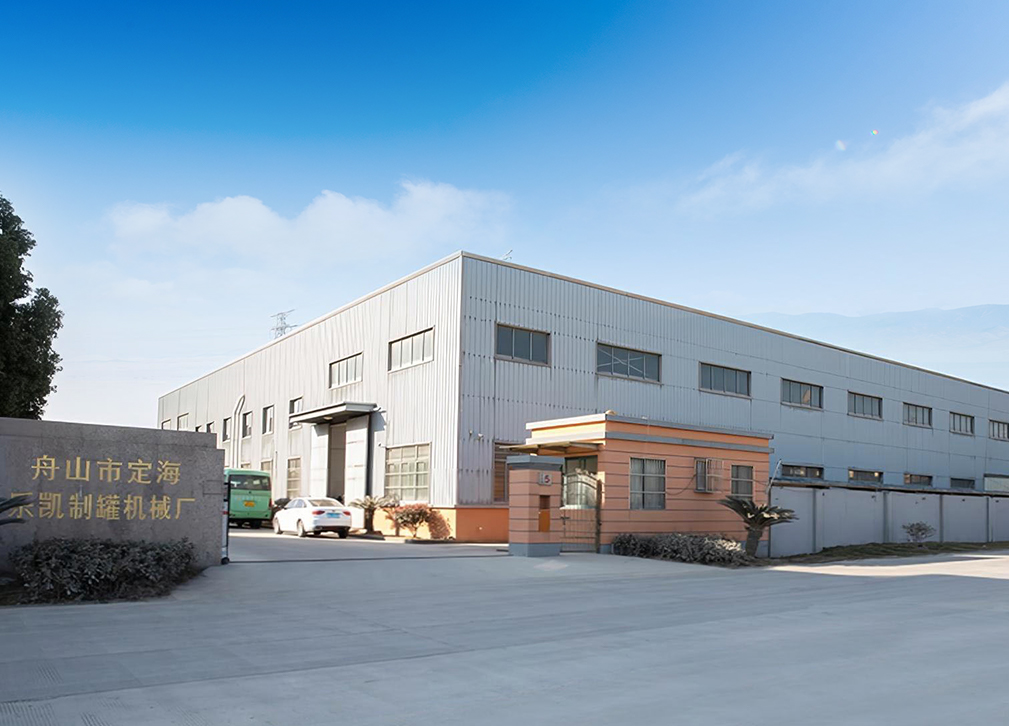
LK MACHINERY CO., LTD. is an enterprise integrating industry, trade and technology. We specialize in the production of metal packaging equipment and the design of forming machinery. LK MACHINERY attaches importance to product quality and customer feedback. Products are exported to Russia, UAE, Saudi Arabia, Morocco, Uzbekistan, Kazakhstan, India, Indonesia and other countries. We have received several government innovation awards and hold a national patent.
  • 0+

    Industry experience

  • 0+

    Plant area

  • 0+

    Company Equipment

See more
Certificate
News Updates
See more
  • 02. 10. 2024
    How safe do pneumatic sealers perform in food packaging?

    In the field of food packaging, the safety performance of pneumatic sealers is crucial because food packaging is not only related to the preservation and quality of products, but also directly related to the health and safety of consumers. The following is a detailed discussion of the safety performance of pneumatic sealers for food packaging.

    First, the safety performance of pneumatic sealers is closely related to their design and manufacturing quality. High-quality pneumatic sealers should comply with relevant international and domestic standards, such as International Organization for Standardization standards and food safety certification standards. These standards and certifications ensure that pneumatic sealers are structurally sound, safe to use, and capable of meeting the stringent requirements of the food packaging industry.

    Secondly, the design of pneumatic sealing machines needs to take into account the special characteristics of food, such as humidity, temperature sensitivity and the type of packaging material. Reasonable design should avoid setting the sealing temperature too high, so as not to adversely affect the quality of food. Some advanced pneumatic sealing machines are equipped with precise temperature control systems that can be adjusted according to the characteristics of different foods to ensure the safety and conformity of the seal.

    Thirdly, the operational safety of pneumatic sealing machines is also a crucial aspect. The operating interface should be simple and clear to facilitate operators to master its use. At the same time, due consideration should be given to safety protection devices and emergency shutdown systems so that the operation of the machine can be stopped in a timely manner when an emergency situation may occur and accidents can be prevented. Training operators with the relevant safety knowledge and skills to ensure that they can use pneumatic sealing machines correctly and safely is also part of ensuring safety performance.

    In addition, the materials selected for pneumatic sealing machines also have a direct impact on their safety performance. Materials that meet hygiene standards, such as stainless steel or food-grade plastics, should be used to ensure that the sealing machine does not release harmful substances when it comes into contact with food, thereby ensuring the hygiene and safety of food.

    In practical applications, the food packaging industry has put forward many requirements for the safety performance of pneumatic sealing machines, such as corrosion resistance, wear resistance, etc. During the production process, regular maintenance is also key to ensuring its safety performance. Only through regular inspection, cleaning and maintenance can we ensure that the pneumatic sealing machine functions properly and meets the design standards, thereby ensuring the safety of food packaging.

    View more
  • 02. 03. 2024
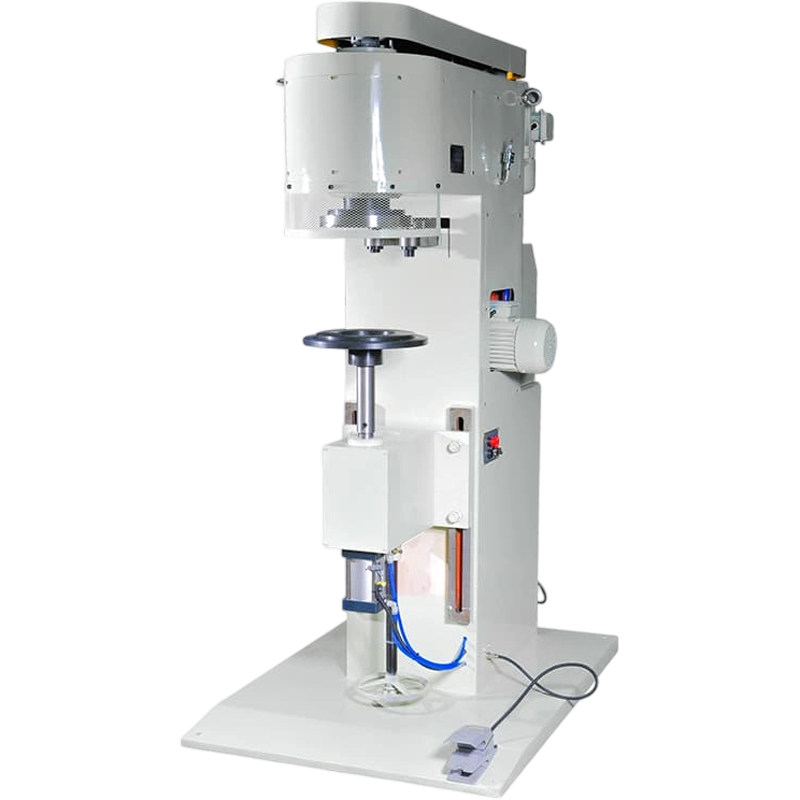
    What is the sealing speed and efficiency of this pneumatic sealing machine?

    Pneumatic sealers are one of the widely used devices in the packaging industry. Its sealing speed and efficiency are important indicators for evaluating its performance and applicability. The following is a detailed analysis of the sealing speed and efficiency of pneumatic sealing machines.

    First, the sealing speed of a pneumatic sealing machine generally refers to the number of seals completed per unit time. This indicator is directly related to the production capacity and efficiency of the production line. Pneumatic sealing machines use air pressure as a power source and drive the sealing action through an air compression system, thereby achieving high-speed sealing capabilities. The sealing speed mainly depends on the design of the pneumatic sealing machine, the performance of the pneumatic system and the regulation of the working pressure. Generally speaking, high-performance pneumatic sealing machines can achieve higher sealing speeds and improve production efficiency.

    Secondly, sealing efficiency includes the stability of the pneumatic sealing machine during operation and the success rate of sealing. Machines with high sealing efficiency are often equipped with advanced control systems to ensure the accuracy and consistency of the sealing action. In addition, appropriate sensors and monitoring equipment can detect and handle abnormal situations in a timely manner during the sealing process, thereby improving the success rate of sealing. Efficient pneumatic sealing machines can ensure sealing quality while reducing downtime due to improper operation or equipment failure, thereby further improving the overall efficiency of the production line.

    The sealing speed and efficiency of pneumatic sealers are not only affected by the design and performance of the equipment itself, but also related to the characteristics of the packaging material. For example, different types of packaging materials may require different sealing temperatures and pressures. Therefore, pneumatic sealers should have the adjustment ability to adapt to different packaging needs.

    To increase the speed and efficiency of sealing, some advanced pneumatic sealing machines are also equipped with automated control systems. These systems are able to monitor seal quality through sensors and enable real-time feedback and adjustment, thereby reducing manual intervention and improving the automation of production lines.

    The sealing speed and efficiency of pneumatic sealing machines are the result of comprehensive consideration of multiple factors such as design, pneumatic system and control system. By choosing the right pneumatic sealing machine model, setting working parameters reasonably, and performing regular maintenance, production companies can achieve higher sealing speed and efficiency, thereby improving the overall competitiveness of the production line.

    View more
  • 01. 26. 2024
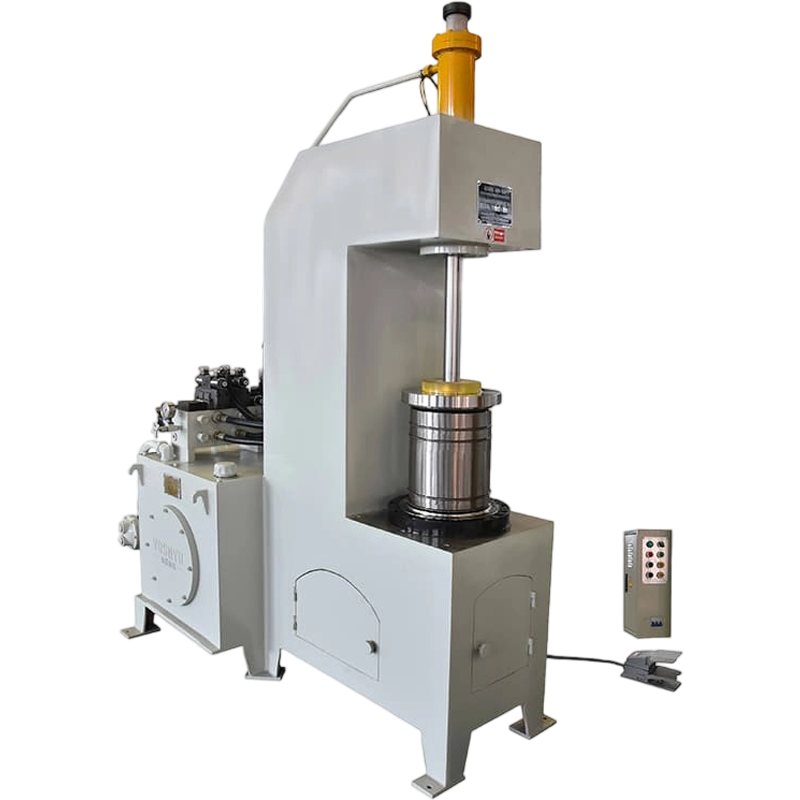
    How does the hydraulic square ear flanging machine achieve long-term continuous operation?

    The main reason why hydraulic square ear bending machine can achieve long-term continuous operation lies in the design of its hydraulic system, material selection, cooling system and intelligent control. Here are some key factors that enable long-term continuous operation of hydraulic square ear bending machines:

    Hydraulic components and materials:
    Hydraulic components and materials used in hydraulic square ear flanging machines, such as hydraulic pumps, hydraulic cylinders, valves, etc. These components are made of alloys and wear-resistant materials, which can maintain stability and reliability in long-term high-intensity working environments.

    Precision hydraulic system design:
    Designers often use advanced hydraulic system designs to ensure that the system achieves high efficiency and achieves large energy utilization. By properly configuring the model and layout of hydraulic components, energy losses in the system can be reduced and overall efficiency can be improved.

    Effective cooling system:
    Long-term continuous operation generates a lot of heat, and hydraulic systems have higher requirements for temperature stability. Therefore, hydraulic square ear bending machines are usually equipped with an effective heat dissipation system, such as heat sink, fan or liquid cooling system, to ensure that the temperature of the hydraulic oil remains within a controllable range and avoid failure of hydraulic components due to overheating.

    Regular maintenance and upkeep:
    Hydraulic square ear flanging machine needs regular maintenance and maintenance during long working hours to ensure the stability of the hydraulic system. This includes changing the hydraulic fluid, checking the wear of hydraulic components, tightening bolts, etc. Regular maintenance can extend the life of the hydraulic system and the entire machine.

    Proper load control:
    In long-term continuous operations, reasonable load control is crucial. The design of hydraulic square ear bending machine must fully consider the material, thickness and bending requirements of various metal plates. Ensure efficient operation of the machine and avoid overload by setting working parameters reasonably.

    Intelligent control system:
    The advanced intelligent control system can monitor the operating status of the hydraulic system in real time, including parameters such as temperature, pressure, and flow. When the system detects an abnormal situation or reaches a set alarm threshold, it is able to automatically adjust or issue an alarm to prevent possible failures.

    Safety protection devices:
    Equipment is usually equipped with safety protection devices such as overload protection, overheat protection and emergency stop buttons. These devices can respond to abnormal situations in a timely manner during work, prevent equipment damage caused by failures, and ensure the safety of operators.

    View more
  • 01. 19. 2024
    What is the function of the hydraulic system in hydraulic square ear bending machine?

    The hydraulic system of the hydraulic square ear bending machine is the core component of the equipment and plays a vital role. Its functions mainly cover multiple aspects such as energy transmission, power conversion and control execution. Here is a detailed description of the hydraulic system at work in a hydraulic square ear bending machine:

    Energy transfer and power conversion:
    In hydraulic square ear bending machines, the main role of the hydraulic system is to achieve energy transmission and power conversion. The hydraulic pump is responsible for drawing hydraulic oil from the oil tank and then delivering it to the hydraulic cylinder through the high-pressure oil pipe. When the hydraulic cylinder receives high-pressure hydraulic oil, it can effectively convert hydraulic energy into mechanical energy, thereby pushing various moving parts of the bending machine, such as the bending rod and the mold.

    Force amplification and regulation:
    The hydraulic system is able to amplify and adjust the force applied to the folding machine by adjusting the flow rate and pressure of the hydraulic oil in the hydraulic cylinder. This enables the hydraulic square ear folding machine to adapt to metal plates of different thicknesses and hardnesses, achieving precise and controllable folding processing.

    Stability and accuracy control of movement:
    The hydraulic system ensures the stability of the hydraulic square ear folding machine during movement through adjustable hydraulic cylinder speed and flow. This is particularly important for stitching thin metal sheets, especially when high precision and surface quality are required.

    Feedback Control and Automation:
    Modern hydraulic square ear bending machines are usually equipped with advanced control systems that can automatically adjust the operating status of the hydraulic system according to the parameters set by the operator. This includes the speed, force, stop position, etc. of the hydraulic cylinder. Through feedback control, the hydraulic system can achieve a high degree of automation and intelligence, thereby improving production efficiency and product quality.

    Emergency stop and safety measures:
    The hydraulic system also has an emergency stop function, which can quickly cut off the oil supply to the hydraulic system through the emergency stop button or other safety devices, so as to quickly stop the machine operation in an emergency and ensure the safety of operators.

    Continuous operation and stability:
    Hydraulic systems are often able to operate continuously for extended periods without overheating or malfunctioning. This stability helps improve the reliability of hydraulic square ear bending machines, reduces maintenance costs, and extends the service life of the equipment.

    View more
  • 01. 12. 2024
    How flexible and adaptable is the fully automatic and convenient bucket combiner?

    In modern industrial manufacturing, flexibility and adaptability are key factors for companies to adapt to market changes and improve production efficiency. With its technology and intelligent control system, this fully automatic and convenient barrel combination machine has demonstrated excellent flexibility and adaptability, providing strong support for enterprises when facing changing market demands.

    First of all, this fully automatic and convenient barrel combination machine performs well in adapting to different specifications and types of barrels. Its intelligent control system can easily adjust and adapt to different process requirements on the production line without tedious equipment replacement or adjustment. This allows the company to flexibly respond to changes in market demand for barrels of different specifications and improves the adaptability of the production line.

    Secondly, this fully automatic and convenient barrel combiner adopts a modular design, which makes it easier to integrate with other production equipment. This modular design allows companies to easily expand or improve production lines based on actual needs. For example, new functional modules can be easily added to accommodate new production requirements without requiring major modifications to the entire production line.

    In addition, this fully automatic and convenient barrel combination machine can automatically detect and correct abnormal situations during the production process. Thanks to advanced sensors and feedback systems, the device is able to monitor changes in the production process in real time and automatically adjust operating parameters as needed to ensure that each barrel combination meets high quality standards.

    During operation, the user interface of the fully automatic and convenient roll combiner is also designed to be very intuitive so that the operator can easily understand the operating status and parameter settings of the equipment. This user-friendly design allows operators to quickly adapt and master the use of the equipment, thereby reducing training costs and increasing the flexibility of the production line.

    Due to its flexibility and adaptability, fully automatic and convenient barrel assembly machines have emerged in the field of industrial manufacturing. It is able to adapt to different specifications and types of barrels, the modular design facilitates expansion, automatic detection and adjustment improves the stability of the production line, and the user-friendly interface reduces the difficulty of operation. These series of advantages make the fully automatic and convenient barrel assembly machine a powerful help for companies to cope with market challenges and improve production efficiency.

    View more
  • 01. 05. 2024
    How energy efficient is the hydraulic crimping machine?

    Energy efficiency is a major concern in modern industrial production. As a key processing equipment, the energy efficiency of hydraulic crimping machines is directly related to production costs and environmental impact.

    The core of a hydraulic crimping machine is the hydraulic system, which transfers and converts energy by converting mechanical energy into liquid flow energy and then converting liquid flow energy into mechanical energy. Compared with traditional mechanical transmission methods, hydraulic systems can convert energy more efficiently and reduce energy losses.

    The hydraulic crimping machine uses a closed hydraulic system, which means that the liquid will circulate in the system, thereby reducing energy waste. Compared to open systems, closed systems are better able to maintain liquid stability and temperature control, thereby improving the energy efficiency of the entire system.

    Modern hydraulic crimping machines are usually equipped with an intelligent hydraulic pump, which intelligently adjusts the working state of the pump through an electronic control unit. This intelligent regulation enables real-time adjustment of the pump output according to actual operating conditions to ensure the energy efficiency achieved under different load conditions.

    The hydraulic cylinders used in hydraulic crimping machines have also been designed and improved, using energy-saving hydraulic cylinders. These hydraulic cylinders are more efficient and have less internal friction losses, allowing the hydraulic system to transfer energy to the working device more efficiently.

    Through the hydraulic system, the hydraulic crimping machine can achieve precise control of crimping force. In some conventional crimping methods, it is difficult to precisely control the pressure, which may lead to excessive consumption of energy. The hydraulic crimping machine can achieve precise pressure control during the crimping process through the principles of electronic control and hydraulic pressure, avoiding unnecessary energy waste.

    Although the hydraulic crimping machine itself is equipped with an efficient hydraulic system, regular maintenance is also an important part of ensuring energy efficiency. Timely replacement of hydraulic fluid, maintaining system sealing, and checking the wear of hydraulic components can ensure the normal operation of the hydraulic system and maintain its efficient energy utilization efficiency.

    Hydraulic crimping machines offer clear advantages in terms of energy efficiency. Through the principles of hydraulic pressure, it can achieve efficient energy conversion and transmission, so that energy can be used more effectively in the production process. However, regular maintenance and advanced intelligent control technologies are also essential to fully exploit its potential advantages in energy efficiency.

    View more
  • 12. 29. 2023
    How is hydraulic machinery used in hydraulic crimping machines?

    As a key equipment in modern industrial manufacturing, hydraulic crimping machines cannot operate efficiently without using the principles of hydraulic pressure. In hydraulic crimping machines, hydraulic pressure plays a decisive role.

    Hydraulic pressure is the study of the transmission of forces and motion of liquids in closed containers. Its basic theories include Pascal's law and Helmholtz's law. Pascal's law states that a liquid is able to transmit pressure uniformly in a direction, while Helmholtz's law describes the motion of a liquid in a closed system. These two basic theories laid the foundation for the application of hydraulic pressure science in hydraulic crimping machines.

    One of the core components of a hydraulic crimping machine is the hydraulic cylinder, which is a key part of force conversion and transmission through the principles of hydraulic pressure. When liquid is injected into the hydraulic cylinder, according to Pascal's law, the liquid will evenly transfer the pressure to the piston in the cylinder.

    Hydraulic pumps are another important component in hydraulic crimping machines. It uses mechanical force to push liquid into the hydraulic cylinder. According to the principles of hydraulic pressure, the hydraulic pump energizes the hydraulic cylinder by generating a high-pressure liquid flow, thereby obtaining sufficient pressure for the crimp joint to process the material.

    Hydraulic crimping machines are usually equipped with an automatic control valve. This component enables precise regulation of parameters such as crimping force, speed and time under the guidance of hydraulic pressure. Operators can adjust the operating state of the hydraulic system through the control valve, so that the hydraulic crimping machine can be more flexibly adapted to different production needs.

    The design of crimping joints and dies in hydraulic crimping machines also relies directly on the principles of hydraulic pressure. By rationally designing the shape and size of the crimping joint and selecting an appropriate working die, the principles of hydraulic pressure are utilized to a large extent to ensure the force transmission effect achieved during the crimping process.

    Guided by fluid mechanics, hydraulic crimping machines achieve efficient energy utilization through more efficient energy conversion and liquid circulation. This not only improves the energy efficiency of the equipment, but also meets the requirements of modern industry in terms of energy conservation and environmental protection.

    The application of hydraulic pressure in hydraulic crimping machines is key to achieving efficient and precise crimping. By deeply understanding the basic theory of hydraulic pressure, a hydraulic crimping machine was designed and manufactured, making the crimping of materials in industrial production more efficient and controllable.

    View more
  • 12. 22. 2023
    How is a hydraulic pre-rolled flange machine different from other flange machines?

    Edge bending machines are indispensable tools in the manufacturing industry for making curved edges on thin metal sheets or plates. These curved edges not only enhance the structural strength of the end product, but also facilitate connection and provide a better sealing effect. However, in the field of hemming machines, one technology stands out ——hydraulic pre-winding hemming machines.

    A key feature of hydraulic pre-roll forming machines is their efficiency. Unlike other forming machines that rely on manual adjustment or mechanical methods, hydraulic pre-roll forming machines utilize a hydraulic system to drive the operation. This enables precise control and fast, automated adjustments, resulting in shorter production cycles and increased productivity.

    In manufacturing, precision is crucial as it directly impacts the quality and reliability of the end product. Hydraulic pre-roll forming machines excel in this regard and are able to provide extremely high precision. The application of the hydraulic system ensures continuous and precise application of pressure, thus achieving precise control of flange dimensions. This high level of precision helps manufacturers meet stringent quality standards and reduces rework or scrap rates, saving time and resources.

    Another significant advantage of hydraulic pre-roll forming machines is their ability to optimize material utilization. Such machines are designed to apply pressure gradually rather than suddenly, allowing for controlled deformation of thin metal sheets. This controlled deformation reduces material waste to a large extent and prevents cracks or deformation that would render the entire piece of metal unusable. As a result, manufacturers are able to significantly improve resource efficiency, reduce material costs, and contribute to overall sustainable development plans.

    Hydraulic pre-roll forming machines offer high flexibility in applications. They are able to adapt to various thicknesses of sheet metal as well as different materials, making them suitable for a wide range of industries and products. Whether it's automotive parts, home appliances or aerospace components, these machines can easily meet a variety of different winding needs. Furthermore, its adjustable settings and customizable features enable different hem shapes and sizes, further expanding its application range.

    In addition to its technological advantages, hydraulic pre-roll forming machines also pay special attention to operator comfort and safety. These machines are equipped with a user-friendly interface and are intuitive and easy to operate without requiring extensive training. Advanced automation and preventive maintenance features significantly reduce downtime, allowing operators to focus on other critical tasks, thereby improving overall operational efficiency.

    Hydraulic pre-rolling and bending machines are a major technological advancement in industrial manufacturing. With their efficiency, increased precision, optimized material utilization, wide applicability, and operator-friendly features, these machines provide manufacturers with a competitive advantage. By investing in this technology, companies can improve production efficiency, reduce costs, and continuously deliver high-quality products.

    View more
  • 12. 15. 2023
    How to protect fragile products during the sealing process through automatic sealing machine?

    In the complex field of packaging, where each product has its own unique needs and vulnerabilities, the concept of “product sensitivity” occupies a central position. As an indispensable tool in modern manufacturing, automatic sealing machines must skillfully find a balance between the sealing process and the fragility of certain products.

    In the context of the use of automatic sealing machines, the concept of “product sensitivity” covers many factors, from the physical characteristics of the product to its sensitivity to environmental conditions. Adapting the sealing process to these sensitive characteristics of the product is crucial to maintaining the quality and integrity of the packaged article.

    Certain products, such as precision electronics or glassware, are inherently fragile. The sealing process must be carried out gently to avoid physical stresses that could lead to rupture or damage. Automatic sealing machines equipped with precise control systems are able to gently seal these fragile items without compromising their structural integrity.

    Some products are sensitive to temperature changes. For example, food or pharmaceutical products may require a sealed process that generates as little heat as possible to prevent spoilage due to temperature changes. Ultrasonic sealing technology, which generates heat through vibration rather than external energy, is an ideal choice for temperature-sensitive products.

    Products that react to or are affected by certain chemicals require careful consideration during the sealing process. Automatic sealing machines with customizable sealing parameters enable manufacturers to select chemically inert sealing materials and methods, thereby ensuring product safety and stability.

    Customizing automatic sealing machines to suit product characteristics requires a strategic approach that considers both the inherent characteristics of the product and the sealing mechanism. The following are key considerations for optimizing the sealing process for sensitive products:

    Look for automatic sealers that have a variety of customizable parameters (such as temperature, pressure, and sealing time). This flexibility enables manufacturers to make precise adjustments to the sealing process to meet the specific needs of products with high precision requirements.

    Choose machines with gentle operating mechanisms, such as precision conveyor belts and robotic arms. These characteristics can greatly reduce the risk of physical damage to fragile items during the sealing process, thereby ensuring that the product reaches consumers in a brand new state.

    Choose a machine with advanced temperature control. This is particularly important for products that are temperature sensitive, as precise temperature regulation can avoid thermal damage during the sealing process.

    Evaluate the compatibility of sealing materials with the product. Certain sensitive items may require the use of special sealing materials that are non-reactive and harmless to the product's composition.

    In the field of automatic sealing machines, identifying and solving product characteristic problems is a key element that reflects the precision and care of manufacturing. By gaining a deep understanding of the nuances of each product, companies are able to invest in machines that not only perform the sealing work efficiently, but also care for and protect the characteristics of their products in a delicate manner during the sealing process.

    View more
  • 12. 08. 2023
    Mastering Sealing Strength: Key Elements in Automatic Sealing Machines

    In the packaging world, the sealing strength of a product is a key factor that affects everything from the freshness of the product to its durability during transportation. Automatic sealing machines are an integral part of modern manufacturing and play a vital role in achieving the required sealing strength.

    Seal strength refers to the integrity and durability of the connection formed during the sealing process. It is not just about joining the packaging materials, but also about ensuring that the seal formed can withstand various tests during handling, transportation and storage, while maintaining the quality of the packaged items.

    Seal strength is crucial when it comes to maintaining product freshness and quality. In industries such as food and pharmaceuticals, where maintaining product integrity is uncompromising, the strength of the seal creates a barrier against external factors such as air and moisture.

    Products go through a series of steps in the process from the manufacturing plant to the consumer. If the seal is not tight, it may lead to leakage, contamination or damage. The proper sealing strength ensures that the product remains in the same condition during transportation as when it left the factory.

    A strong certification mark can bring confidence to consumers. It is a visual representation of the manufacturer's commitment to delivering the product. A reliable certification mark can prevent leakage, tampering and contamination, thereby enhancing trust between brands and consumers.

    Choosing the right seal strength: factors to consider when choosing

    Choosing the right sealing strength for an automatic sealing machine requires a deep understanding of the product, its packaging, and its intended use. When determining closure strength requirements, the following points are key factors to consider:

    Assess the sensitivity of packaged products. Fragile or easily deteriorated articles may require a higher seal strength to prevent the influence of external factors and ensure a longer shelf life.

    Different packaging materials have different permeabilities and strengths. The seal strength should match the material used to create a secure connection that meets the specific needs of the product.

    Think about how the product will be used throughout its life cycle. Products that require frequent handling or are subject to variable environmental conditions may require stronger seal designs to address these challenges.

    Certain sectors, such as pharmaceuticals and food, are heavily regulated. Please ensure that the selected seal strength meets industry standards and regulatory requirements to meet benchmark standards for quality and safety.

    Seal strength is not a universal property; it is a characteristic tailored to specific needs and must be matched to the specific requirements of the packaged product and its specific flow through the supply chain. Equipped with an automatic sealer that provides personalized seal strength capabilities, it enables manufacturers to ensure the integrity of their products from production to consumption.

    View more
  • 12. 01. 2023
    Application of hydraulic expansion tapered flange crimping machine in automotive industry

    In this dynamic field of automotive manufacturing, efficiency, precision and innovation are crucial. One technological achievement that has had a significant impact on the automotive industry is the hydraulic reaming cone type stretching and crimping machine. This specialized equipment has become an essential part of the manufacturing process, providing a variety of applications that can improve the production quality of key components in the automotive field.

    Exhaust system manufacturing: One of the main applications of hydraulic reaming cone bending and pressing machines in the automotive industry is in the manufacturing of exhaust systems. These machines are able to shape and connect the complex components of the exhaust pipe, ensuring good sealing and precise connection.

    Body Panel Production: Automotive body panels require extremely high precision and consistency. Hydraulic reaming cone-type stamping and laminating machines play a vital role in shaping and joining sheet metal to create body panels that help enhance the vehicle's structural strength and aesthetics.

    Chassis and frame components: The chassis and frame of a vehicle are crucial to its structural strength and safety. During the production of chassis components, hydraulic expansion cone flaring and crimping machines are used to ensure precise forming and secure connection of metal parts. This application helps improve the overall durability and safety of the vehicle.

    Intake System: The manufacturing precision of the intake system is crucial and it affects the performance and efficiency of the car. Hydraulic flared cone rams and crimpers are used to shape and connect components of the intake system to ensure air circulation and engine efficiency.

    Fuel tank manufacturing: Hydraulic flared cone type stamping and crimping machine is used for fuel tank manufacturing. These machines are capable of forming strong and sealed seams, which is essential for the safe storage and transportation of fuel inside the vehicle.

    Braking System Components: The braking system is a critical safety component in your vehicle. Hydraulic expansion cone flaring and crimping machines are used to produce brake system components such as brake lines and brake pipes. The precision provided by these machines ensures the reliability and performance of the braking system.

    Collaboration with advanced materials: As the automotive industry explores the use of advanced materials such as aluminum and high-strength alloys to reduce weight and improve fuel efficiency, hydraulic expansion cone flaring and crimping machines have proven their suitability. They are capable of handling a wide range of materials, contributing to the development of lightweight and energy-efficient automotive designs.

    The application of hydraulic reaming and punching machines in the automotive industry reflects the combination of precision engineering and technological innovation. From exhaust systems to body panels and beyond, these machines play a vital role in shaping the vehicles we drive.

    View more
  • 11. 24. 2023
    What industries are pneumatic four-wheel sealing machines suitable for?

    As an efficient and flexible sealing device, pneumatic four-wheel sealing machine has been widely used in many industries, providing a reliable sealing solution for product packaging. The following is a discussion on the applicable industries of pneumatic four-wheel sealing machines.

    First, the food packaging industry is one of the main application areas of pneumatic four-wheel sealing machines. Such a sealing machine is capable of efficiently sealing a variety of food packages, including snacks, dried fruits, frozen foods, etc. By ensuring the sealing of the packaging, it not only extends the shelf life of the food, but also effectively isolates the food from external environmental pollution, thereby improving the hygiene and safety level of the product.

    In the pharmaceutical industry, pneumatic four-wheel sealers also play a vital role. the pharmaceutical products are highly sensitive to the environment, so the packaging of pharmaceutical products is sealed using a sealing machine to prevent the intrusion of moisture, air and microorganisms. This helps maintain the quality and potency of medicines, ensuring patients have access to safe and reliable medicines.

    In addition, the cosmetics packaging industry is also one of the important markets for pneumatic four-wheel sealing machines. This sealing machine can provide an effective seal for cosmetics, protecting the product from external factors such as air, dust and moisture. For high-end cosmetics, maintaining the integrity of the packaging is crucial to product image and quality.

    In the daily chemical industry, pneumatic four-wheel sealing machines are widely used to seal the packaging of products such as shampoo and shower gel. By ensuring the sealing of the packaging, these machines are able to prevent product leakage, maintain the original quality and concentration of the product, and enhance the user experience.

    The electronic product packaging industry is also one of the application areas of pneumatic four-wheel sealing machines. This type of machine is often used to seal the packaging of electronic products in containers such as moisture-proof bags and anti-static bags to ensure that the products are protected from moisture and static electricity during transportation and storage, thereby maintaining the performance and reliability of the products.

    The agricultural product packaging industry also benefits from the application of pneumatic four-wheel sealing machines. Whether it is a packaging bag for packaging fruits, vegetables or other agricultural products, the use of sealing machines helps maintain the freshness of agricultural products and extend their shelf life, thereby better meeting market demand.

    In the toy and gift packaging industry, pneumatic four-wheel sealers can provide powerful sealing functions for products, ensuring that the products will not be damaged during transportation and display, and maintain the original packaging appearance.

    , the industrial packaging industry also relies on pneumatic four-wheel sealers to protect industrial products and ensure they are safe and intact in the supply chain. The widespread application of this sealing machine provides efficient and precise packaging solutions for various industries, effectively promoting the automation of production processes and improving packaging quality.

    View more